

Healing at the Root:
Resolve the patterns.
Expand what’s possible.
Deep, trauma-informed psychotherapy for thoughtful, driven adults ready to move beyond insight alone, resolve entrenched patterns, and bring more of their capacity to the relationships, lives, and work that matter.
My Philosophy
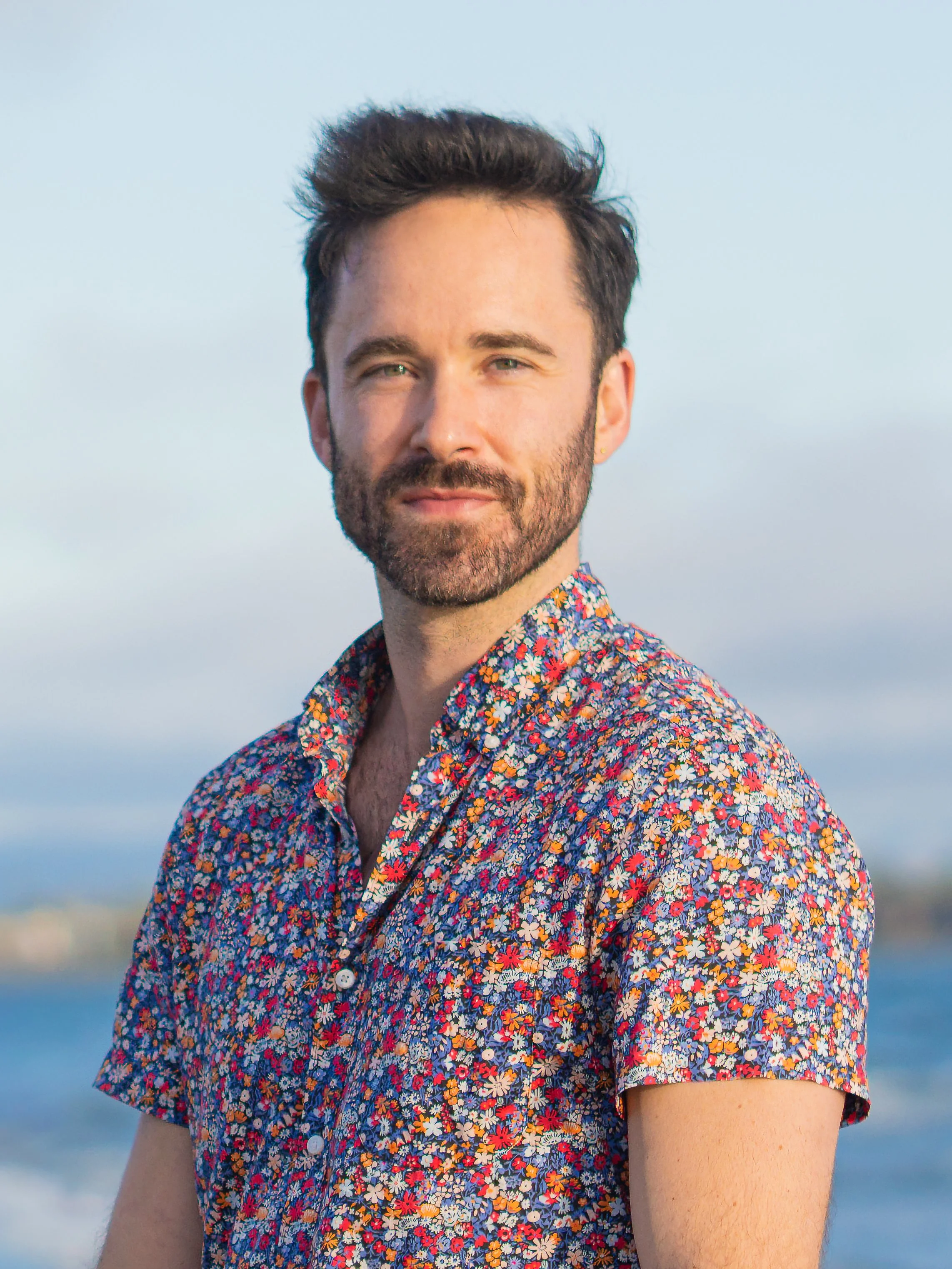
Yakov Barton, PhD
You can understand a pattern remarkably well and still be caught in it.
Many of the people I work with are thoughtful, capable, and accustomed to solving difficult problems. They may already understand why they become anxious, overthink, lose confidence, pull away in relationships, overwork, reach for an addictive behavior, or keep running into the same internal barriers. Insight matters. But some patterns are held at a deeper emotional and embodied level and do not shift simply because we can explain them.
My work is aimed at that deeper level.
I am a Columbia-trained clinical psychologist specializing in trauma-focused psychotherapy. I integrate EMDR, Internal Family Systems (IFS), Cognitive Behavioral Therapy (CBT), and other evidence-based approaches to work with the emotional learning, protective responses, attachment patterns, and core beliefs that continue to shape present-day experience.
The goal is more than understanding why you feel the way you do. We work toward changing the patterns themselves.
As those patterns loosen, people often find greater access to qualities that were already there: clarity, self-trust, emotional range, creativity, connection, and agency. Less energy is spent managing old fear, shame, avoidance, or protection. More becomes available for relationships, meaningful work, and the life you want to be fully present for.
How Change Happens in Therapy
A brief introduction to why insight matters, where it can fall short, and how deeper therapeutic work can help patterns actually shift.
My Treatment Approach
Work at the Source
Symptoms matter, but they rarely exist in isolation. We look closely at the emotional learning, relationships, beliefs, and earlier experiences that continue to generate them.
Beyond Insight Alone
Understanding yourself is valuable. Lasting shifts often require working with patterns at the level where they are actually experienced: emotionally, relationally, behaviorally, and in the body.
A Real Therapeutic Relationship
Effective therapy requires more than technique. The work is direct, collaborative, curious, and grounded in a relationship where difficult material can be examined honestly and safely.
Structured and Active
Therapy has clear goals and direction. We clarify what you want to change, identify the processes keeping it in place, and regularly assess whether the work is moving.
Evidence-Based and Integrative
I draw from EMDR, Internal Family Systems, CBT, DBT, positive psychology, attachment theory, and body-aware trauma treatment, selecting methods based on the person and the problem rather than allegiance to a single model.
More Capacity for What Matters
Reducing distress is important. Deeper change can also free attention, energy, flexibility, and agency for the relationships, ideas, choices, and contributions that matter most to you.
What I Help With
I work with adults who may be functioning well in many areas of life while contending with patterns that consume attention, narrow choices, strain relationships, or pull energy away from what matters.
Anxiety, Perfectionism & Follow-Through
Worry, panic, overthinking, self-criticism, fear of failure, over-control, and difficulty sustaining attention or consistently translating intention into action.
Trauma, Attachment & Self-Worth
PTSD and complex trauma, difficult earlier experiences, shame, insecure attachment, and persistent emotional triggers.
Relationships & Connection
Conflict, withdrawal, communication, boundaries, intimacy, and recurring patterns of closeness or distance.
Depression, Grief & Life Transitions
Loss, emotional disconnection, low motivation, identity shifts, and periods when meaning or direction are harder to access.
Addiction & Entrenched Coping
Substance use, compulsive behaviors, avoidance, and coping strategies that increasingly limit choice.
Specialized Expertise
Founders, researchers, and leaders in effective altruism, AI safety, and other high-impact fields; queer identity, kink, and non-monogamy; parenthood and immigrant-family dynamics; and psychedelic or altered-state integration.

Instructions for living a life.
Pay attention.
Be astonished.
Tell about it.
-Mary Oliver